A common mistake we see in Birmingham is treating the ground as fully saturated during dry spells. The city sits on a mix of glacial till, river terrace gravel and Mercia Mudstone. When summer hits, the clay-rich layers dry out and crack. Engineers who skip unsaturated soil analysis end up with foundations that settle unevenly after the first wet winter. We measure suction directly with tensiometers and filter paper tests. That gives us the real stress state at any depth. Without this step, you are guessing how the ground will behave when it dries again. We have seen slab heave in Kings Heath and settlement in Edgbaston from the same root cause – ignoring the unsaturated zone.
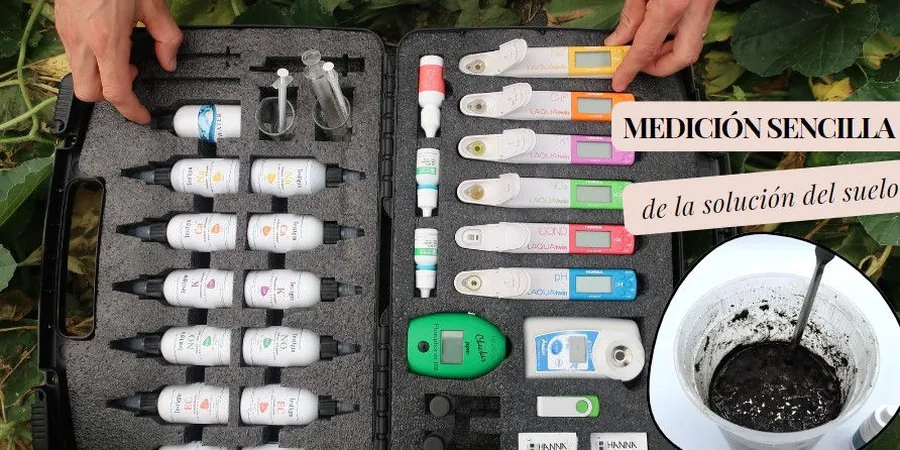
Birmingham's clay-rich ground can lose 50 percent of its bearing capacity in a single wet season if the unsaturated zone is not characterised.
Scope of work in Birmingham
Critical ground factors in Birmingham
Birmingham gets about 700 mm of rain a year, but the distribution is uneven. Long, dry springs followed by sudden autumn downpours create high suction differentials in the ground. That is when unsaturated soil analysis becomes critical. If you design a pad foundation for saturated conditions and a dry spell hits, the clay shrinks away from the edges. The load path shifts and cracking starts. We have documented cases in Hall Green where this mismatch caused 25 mm of differential movement over three years. The fix involved deepening the footings into a zone where suction stays stable year-round. That kind of retrofit costs more than the original lab work. We recommend doing the analysis before setting the founding depth.
This service complements our laboratory testing work for a complete project analysis.
Our services
We offer two complementary services to help you characterise the unsaturated zone in Birmingham clays.
SWCC Determination (Soil-Water Characteristic Curve)
We run pressure plate, Tempe cell and WP4-T dewpoint tests on undisturbed samples from your site. The data is fitted to van Genuchten or Fredlund-Xing models. You get the full curve from saturation to 1,500 kPa suction. This is the input needed for any advanced unsaturated seepage or strength calculation.
Field Suction Monitoring
We install nested tensiometers and thermal conductivity sensors at multiple depths across your Birmingham site. Data logs are collected weekly or remotely via telemetry. This service is ideal for phased developments where ground conditions change between seasons. We provide a final report with suction profiles and recommended foundation adjustments.
Q&A
How is unsaturated soil analysis different from a standard ground investigation?
The reference range for this service in Birmingham is £900 - £2.180. The final price depends on the project scope and volume.
What does unsaturated soil analysis cost for a typical residential plot in Birmingham?
For a single residential plot with three sample depths and basic SWCC fitting, the cost is between £900 and £2.180 depending on access and the number of suction points. If you add field monitoring over two seasons, the price goes up to around £1.500. We can give a fixed quote after seeing the site layout.
At what depth does suction stop affecting foundation design in Birmingham?
It depends on the clay type and vegetation. In open fields in Sutton Coldfield, we measure significant suction down to about 3 metres. Near mature trees in Harborne, the zone of seasonal suction change can reach 4.5 metres. Our analysis pinpoints the depth where suction remains stable year-round, so you can set your foundation bearing level with confidence.