Birmingham sits on a varied geological sequence of glacial till (Boulder Clay) overlying Triassic sandstones and mudstones, with shallow groundwater often encountered within the sand and gravel river terraces of the Tame and Rea valleys. Effective geotechnical drainage design is critical here because seasonal water tables rise within 1.5 m of the surface in many central districts, directly affecting excavation stability and foundation bearing capacity. Before finalising any drainage strategy, we routinely assess sub-surface permeability through In-Situ and complement that data with a laboratory permeability test to refine filter design and flow rates for permanent or temporary dewatering systems.
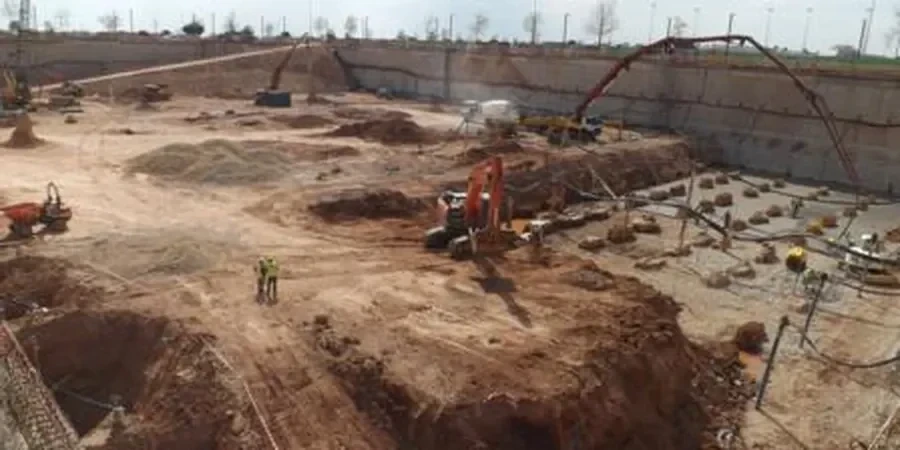
Shallow groundwater in Birmingham’s river terraces demands careful drainage design, often requiring deep trench drains to keep excavations dry and stable.
Scope of work in Birmingham
- Horizontal and vertical drainage blankets to control pore pressures beneath embankments.
- Deep trench drains and sump systems for temporary excavations in the water-bearing sandstone.
- Filter layer design using the Terzaghi criteria to prevent internal erosion.
- Hydraulic gradient analysis to avoid piping failure in fine-grained till deposits.
Live process video
Critical ground factors in Birmingham
Birmingham expanded rapidly during the Industrial Revolution, with extensive infill of old canals, railway cuttings, and former mining voids. This legacy means many sites contain made ground, buried structures, and variable groundwater regimes that traditional drainage methods cannot handle without detailed geotechnical input. If drainage design ignores the perched water tables common in the city’s fill materials, hydrostatic pressures build up behind retaining walls and beneath slabs, leading to structural distress, slope failures, or water ingress into basements. Proper geotechnical drainage design prevents these failures by characterising the ground’s hydraulic behaviour before construction begins.
Our services
We deliver two specialised drainage design services for Birmingham’s unique ground conditions, both supported by our UKAS-accredited (ISO 17025) materials laboratory.
Temporary Dewatering Design
Design of sump pumping, wellpoints, and deep wells for excavations in Birmingham’s sandstone and terrace gravels. Includes permeability modelling, filter pack specification, and discharge consent liaison. We size the system to achieve the required drawdown within the contract programme, avoiding delays caused by unexpected groundwater inflows.
Permanent Drainage Solutions
Design of fin drains, trench drains, blanket drains, and perforated pipe networks for long-term groundwater control around basements, retaining walls, and embankments. We select appropriate geotextile filters and pipe diameters based on the site-specific soil grading and anticipated flow rates, ensuring the system remains effective over the design life of the structure.
Q&A
How much does geotechnical drainage design cost in Birmingham?
Typical fees for a drainage design package in Birmingham range between £730 and £2,150, depending on site complexity, number of design sections, and whether full hydraulic modelling is required. This includes a site visit, interpretation of ground investigation data, and a written design report with cross-sections and specifications. Exact pricing is provided after a brief scoping call.
What groundwater problems are common in Birmingham?
Perched water tables within made ground are the most frequent issue, especially on former industrial land along the canal network. In the Edgbaston and Harborne areas, high water tables in the underlying sandstone cause persistent seepage into basements. Seasonal fluctuations in the Tame valley gravels can also trigger slope instability along road and rail cuttings if drainage is not maintained.
Do I need a drainage design if I already have a geotechnical report?
A standard geotechnical report describes soil and groundwater conditions but rarely provides the detailed hydraulic analysis needed to size drains, pumps, or filters. A separate drainage design translates that data into a working system — specifying pipe diameters, trench depths, filter gradings, and dewatering flow rates. We often receive borehole logs from previous investigations and develop the drainage design from those records.
How long does the drainage design process take?
For a typical residential or small commercial site in Birmingham, the design is completed within 7 to 14 working days from receipt of the ground investigation data. Larger infrastructure projects involving multiple drainage zones or complex hydraulic modelling may take 3 to 4 weeks. We prioritise projects with tight construction programmes and can accelerate the timeline when needed.