Birmingham’s geology is a tale of two terrains. In the city centre, you’re often digging into glacial till and river terrace deposits, while out in the suburbs like Sutton Coldfield you hit Keuper Marl bedrock at relatively shallow depth. That contrast means a soil mechanics study in Birmingham isn’t a one-size-fits-all affair. For a recent mixed-use development near the Bullring, we found a stiff clay layer with perched water that needed careful drainage planning. Before we recommend foundations, we always run in-situ tests like the SPT across multiple boreholes to capture that variability.
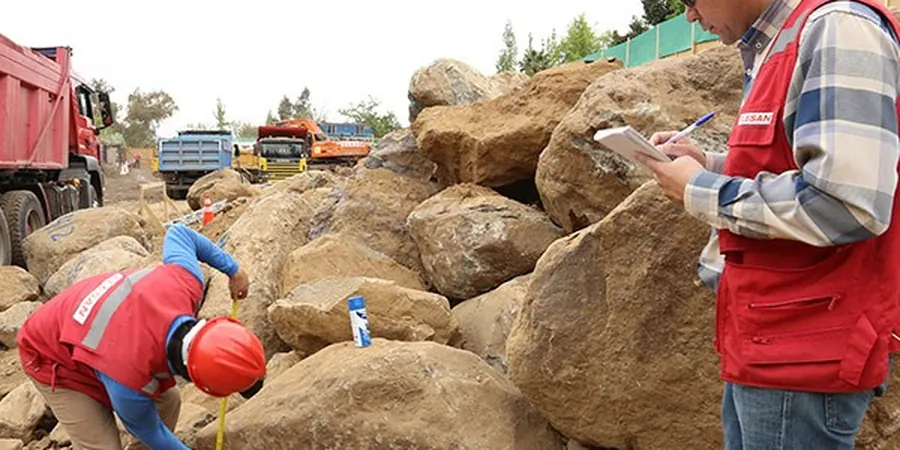
A soil mechanics study in Birmingham must account for the city’s glacial legacy and variable groundwater, not just standard bearing capacity tables.
Scope of work in Birmingham
Critical ground factors in Birmingham
With a population over 1.1 million and significant brownfield redevelopment underway, Birmingham faces real geotechnical risks. The city’s industrial past left behind filled ground, old mine workings, and contaminated soils that can cause differential settlement or chemical attack on foundations. A proper soil mechanics study identifies these hazards before they become problems. We’ve seen cases where old canal basin infill created void spaces that required deep dynamic compaction. Without a thorough investigation, the cost of remediating a foundation failure can easily exceed the original construction budget.
Our services
Our soil mechanics study covers every stage from desk study to final report. We offer four core services tailored to Birmingham’s ground conditions.
Borehole Drilling and Sampling
Rotary and window sampling to recover undisturbed and disturbed samples across the city’s varied strata.
Laboratory Testing
Full suite including Atterberg limits, particle size distribution, triaxial compression, and consolidation tests in our UKAS-accredited lab.
Groundwater Monitoring
Installation of standpipes and piezometers to track seasonal water levels and assess chemical aggressivity.
Foundation Recommendations
Interpretation of test data to advise on shallow or deep foundations, bearing capacity, and settlement predictions.
Q&A
Why is a soil mechanics study important for Birmingham construction?
Birmingham’s geology ranges from glacial till to Mercia Mudstone, and many sites have infilled ground from industrial use. A study identifies bearing capacity, groundwater conditions, and chemical risks that affect foundation design and long-term stability.
How long does a typical soil mechanics study in Birmingham take?
For a standard residential or commercial site, the fieldwork and lab testing usually take 3 to 5 weeks. Complex brownfield sites with contamination or deep boreholes can extend to 8 weeks depending on access and weather.
What is the cost range for a soil mechanics study in Birmingham?
The cost typically falls between £2,180 and £4,520 for a comprehensive study including boreholes, lab tests, and a geotechnical report. The exact figure depends on site size, number of boreholes, and specific testing requirements.